Master's Degree in Subsurface Hidrology
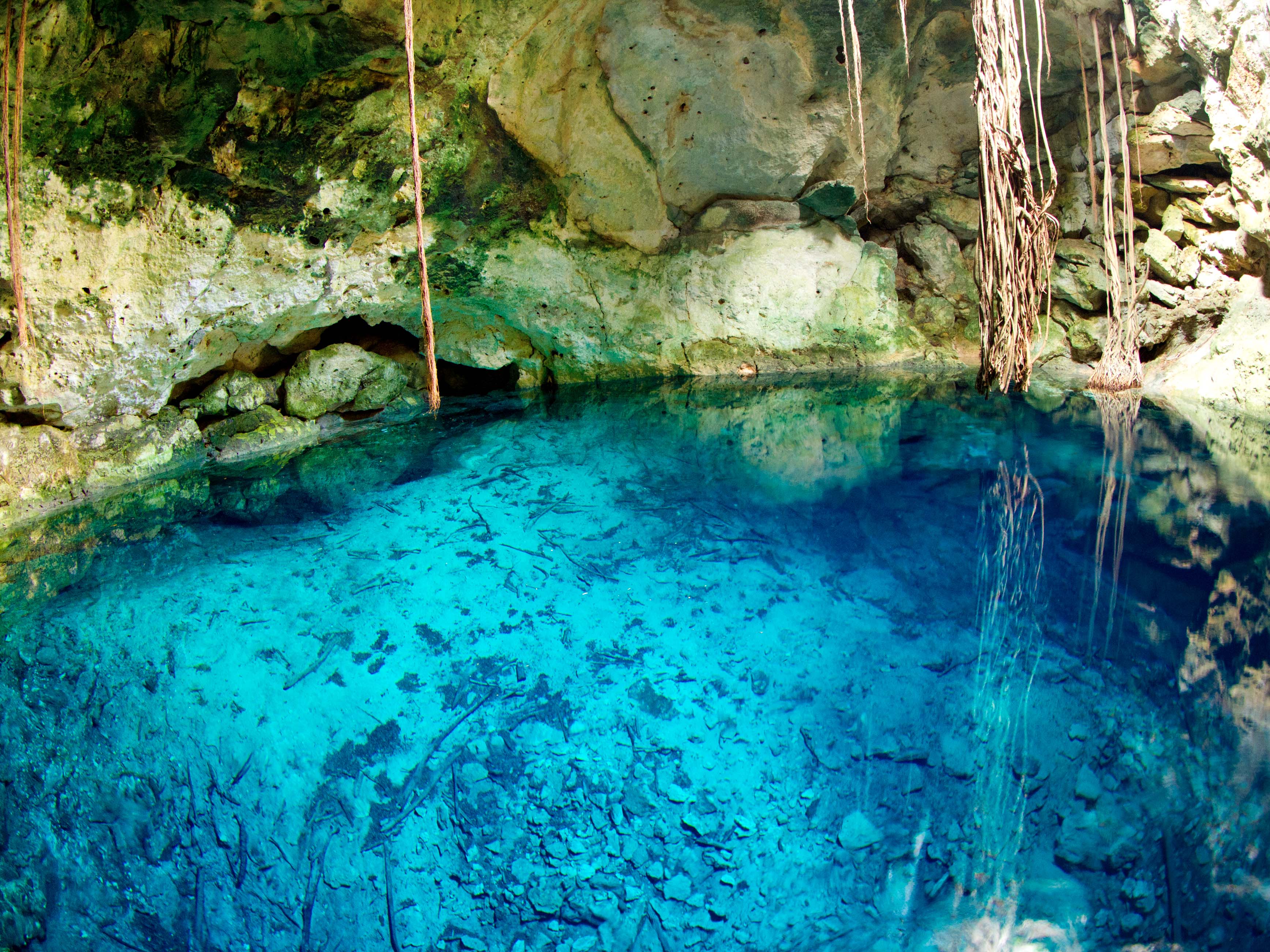 The main objective of the Master's Degree in Subsurface Hydrology (MsDSH) is to provide advanced and specialized training in the field of groundwater and integrated water resources management. The master's degree prepares students for the development and execution of projects, studies and operations related to the use, maintenance, conservation and restoration of underground water resources, taking into account their environmental, social, economic and sustainability values.
The MsDSH offers complete training in the basic tools of hydrogeology and introduces students to the most advanced techniques for the study of groundwater. These include environmental characterization techniques, advanced instrumentation, field and laboratory tests and, especially, computational tools for numerical modeling of flow, transport, and subsoil decontamination processes. The MsDSH incorporates statistical tools for the treatment and interpretation of complex hydrogeological databases, with special attention to geostatistics and methods based on artificial intelligence and machine learning, aimed at improving analysis, prediction and decision-making. All courses will be taught by members of the Groundwater Hydrology Group, which are professionals and scientists known worldwide.

Academic year starts in
- Fall semester (Q1): September
- Spring semester (Q2): February
Duration
1 year
Study load
60 ECTS (including the Master's Final Thesis)
Minimum academic progress
The minimum academic progress for first year students is 10 ECTS.
Delivery
- Fall semester (Q1): On campus
- Spring semester (Q2): On campus or partly online
Enrolment
- Full-time
At least 30 ECTS and up to 70 ETCS - Part-time
At least 15 ECTS and up to 60 ECTS enrolled on the first year, and up to 70 ECTS the rest of the years
Language
Spanish
Places
20
Official degree
Master's Degree in Subsurface Hydrology by the Universitat Politècnica de Catalunya (recorded in the Spanish Ministry of Education's degree register)
Fees
More information about fees and payment options
More information about grants and loans
Academic coordinator
Specific requirements
In order to gain admission to the Master's Degree in Subsurface Hydrology, you must be a:
- Holder of a bachelor's degree in architecture or engineering in the areas of civil engineering, industrial engineering, chemistry, the environment, forestry, mining, physics, biology or agriculture.
- Holder of a bachelor's degree in environmental, chemical, physical, biological or geological sciences.
- Holder of a pre-EHEA Spanish degree in architecture or engineering in the areas of civil engineering, industrial engineering, chemistry, the environment, forestry, mining, physics, biology or agriculture.
- Holder of a pre-EHEA Spanish diploma in environmental, chemical, physical, biological or geological sciences.
- Holder of a pre-EHEA Spanish degree in environmental, chemical, physical, biological or geological sciences.
- Other degrees
Candidates seeking admission who have qualifications other than those mentioned above will be reviewed by the master's degree committee with the aim of establishing the bridging courses they must take.
English language skills
Regarding the English language requirements, at least a B2 level is recommended. Some subjects and/or sessions may be given in English, such as occasional lectures or seminars taught by invited international teachers. Considering that sufficient bibliographical, teaching and academic resources will be provided to students, it is considered that the language of instruction will not be a limitation that prevents students with a B2 level from passing the course.
Students pending obtaining the degree that gives access to the master's degree
UPC undergraduate students who, despite not having obtained the bachelor’s degree, have pending their Bachelor's Final Thesis and, at most, up to 9 ECTS (including credits pending recognition or transfer) or who have completed their studies, but are waiting to achieve, if possible, transversal competence in a third language. Under no circumstances will students who access this route be able to obtain a master's degree if they have not previously obtained a bachelor's degree.
Candidates from other universities who are enrolled in all the credits to complete the studies that give access to the master's degree can apply for access. Acceptance will be conditioned to the fulfilment of the general and specific access and admission requirements at the time of formalizing the registration.
You will find all the information about the general Access requirements to UPC master's programs here.
Admission criteria
The following factors or parameters are considered for admission to the Master's Degree in Subsurface Hydrology:
- Academic record (F1: 60%)
Weighting as established by the Academic regulations for Master's Programs at UPC-BarcelonaTech. - Curriculum Vitae (F2: 30%)
- Additional certified training (F3: 10%)
The relationship between prior formation and the academic and professional competencies established for this master's degree will also be taken into account in the final weighting score.
You can check the results of the evaluation and selection of the applications for the current academic year here.
Pre-enrolment & enrolment
Check here the general admission requirements for UPC masters and information on pre-enrolment: calendar, how to apply for admission, how to reserve a place if the resolution is favourable, etc.
Learning objectives
- Knowledge of underground hydrology and water resources management from an integrative point of view, as well as its application in the development of studies, projects and operations where the use, maintenance, conservation and restoration of groundwater and water resources is required, in its field.
- Training in the knowledge and use of all advanced technologies used in the study of groundwater and water resources, including environmental characterization techniques, field and laboratory experimental techniques, instrumentation and advanced computational and numerical modeling techniques.
- Capacity to design and construct water wells for drinking water supply, drainage and other purposes without negatively affecting the environment, with emphasis on the protection of wetlands and other ecosystems or sensitive areas.
- Capacity to address and solve environmental problems related to groundwater as well as those surface water bodies that depend on groundwater discharge, including those associated with civil works construction, mining, solid waste management, and others.
- Capacity to develop projects for the maintenance, conservation and restoration of groundwater and water and energy resources, in their field.
- Capacity to identify, formulate and solve problems related to groundwater. Pose and solve groundwater hydrology problems with initiative, decision-making skills and creativity. Develop a systematic and creative method of analysis and problem solving.
- Training to work in the context of multidisciplinary groups formed by geologists, engineers, geophysicists, chemists, biologists and other professionals.
- Training to develop aquifer and land restoration projects.
- Training in transversal skills such as teamwork, team leadership and oral and written expression.
Career opportunities
- Hydrogeologist: responsible for the evaluation, planning and management of aquifers and groundwater resources, participating in the delimitation of water bodies, water balance and hydrological planning in both the public sector and private consultancies through hydrogeological, geochemical and geophysical studies.
- Hydrogeological modelling technician: specialist in the construction, development and calibration of numerical models of groundwater flow and contaminant transport in aquifers for the sustainable management of groundwater and decision-making in engineering, supply or remediation projects.
- Aquifer quality and contamination consultant: professional who carries out vulnerability studies, contaminant monitoring, recharge area protection plans and design and implementation of aquifer decontamination techniques, collaborating with administrations and sanitation and energy companies.
- Manager of groundwater collection and use projects: responsible for designing, executing and maintaining wells, galleries and pumping systems, as well as optimizing supply networks that depend on aquifers.
- Engineer hydrogeologist: professional who studies the behaviour of groundwater in interaction with surface water, participates in civil works projects, artificial recharge, drought management, prevention of saline intrusion and geothermal use, etc.
- Specialist in hydrogeological risk management: analyses and designs strategies to mitigate risks associated with subsidence, overexploitation of aquifers, marine intrusion or diffuse pollution, working with water management authorities or infrastructure companies.
- Researcher in hydrogeology: develops new techniques for characterizing aquifers, systems monitoring, managed recharge methods or in situ pollutant treatment technologies.
- Technician in geophysics and hydrogeological prospecting: responsible for survey campaigns, pumping tests and geophysical methods for the identification of aquifers and the characterization of their hydraulic properties.
- Responsible for sustainability and integrated management of groundwater resources: expert in integrating the exploitation of groundwater with territorial planning, adaptation to climate change and the protection of ecosystems dependent on aquifers.
- Environmental technician: expert in the management of environmental ecosystems dependent on aquifers (river, wetlands, coastal areas, etc.) for private companies or administrations.
- Professor in hydrogeology: professional dedicated to university education or technical training in centres specialized in groundwater, research institutions or water administrations.
Knowledge
- Identify technological and management solutions for the use, conservation and restoration of groundwater and water resources through a comprehensive approach to studies, projects and operations.
- Identify hydrodynamic, geochemical, biological and isotopic processes related to groundwater flow and reactive transport of solutes in the subsoil.
- Identify technological solutions to environmental problems related to groundwater, as well as those surface water bodies that depend on groundwater discharge, including problems associated with the construction of civil works, mining, solid waste management, among others.
- Recognize all advanced technologies used in the study of groundwater and water resources, including environmental characterization techniques, field and laboratory experimental techniques, instrumentation and computational techniques and advanced numerical modeling.
- Recognize the methods of design and construction of wells and other groundwater abstractions for drinking water supply, drainage and other purposes without negatively affecting the environment, with special emphasis on the protection of wetlands and other ecosystems or sensitive areas.
- Recognize all advanced technologies used in projects for the maintenance, conservation and restoration of groundwater and water and energy resources in their area.
Skills
- Apply scientific concepts to hydrogeological problems and their correlation with technological concepts.
- Use basic laboratory and field work skills.
- Apply methods and instrumentation for the determination of relevant parameters in the analysis of hydrogeological problems.
- Investigate water quality to ensure that it is suitable for its intended use.
- Use effective and empathetic communication strategies in environments of diverse nature, adapting to the context and the needs of the audience.
- Use digital technologies and data in an ethical and critical manner for problem solving, decision-making and knowledge generation in their professional field.
Competencies
- Propose water management and environmental risk assessment methodologies related to groundwater, assessing their economic costs and according to applicable legislation.
- Manage cross-cutting projects according to project evaluation parameters.
- Develop basic documentation for hydrogeological projects.
- Analyse the technical and economic viability of hydrogeological projects.
- Evaluate advanced conventional and unconventional water management systems and propose their mass and energy balance.
- Evaluate mitigation and/or decontamination schemes for aquifers and soils for contaminated sites.
- Design solutions to hydrogeological and water resource problems, and propose their mass and energy balance.
- Critically assess the environmental, social and economic impacts of products and services related to groundwater hydrology, promoting actions that foster sustainability and social justice in collaboration with relevant agents.
- Make informed and reflective decisions in complex situations, applying ethical principles in the academic, professional and social context to promote responsibility and social commitment.
- Integrate solutions within their own discipline that incorporate a gender perspective, taking into account identified biases and inequalities.
- Generate creative solutions to social or technological problems, considering sustainability, the business model and the undertaking requirements.
- Evaluate sources of information critically and responsibly, avoiding plagiarism, respecting copyright and critically managing the overabundance of information.
The curriculum is organized into two semesters and includes a total load of 60 ECTS credits, distributed in 30 credits per semester.
In the first semester, students will attend classes on campus, corresponding to 6 courses (5 mandatory and 1 elective). In the second semester, students will take 3 courses (2 mandatory and 1 elective) and the Master's Thesis (15 ECTS), being able to choose to follow the courses on campus or remotely with the support of video materials and the faculty.
Students enrolled full-time must enrol a minimum of 30 ECTS in the first year. Students who choose to study the master's degree part-time must enrol a minimum of 15 ECTS in the first year, adjusting their progression according to this modality and respecting the recommended sequencing of compulsory and elective courses.
Optionally, in both the full-time and part-time modality, students may enrol up to a maximum of 36 ECTS per semester (one additional elective course per semester). In all cases, the total number of ECTS enrolled throughout the master's degree may not exceed 72 ECTS.
A minimum of 10 ECTS must be earned in the first year to remain in the program.
COURSES | ECTS | |
| FIRST YEAR | ||
| Fall semester | ||
| Mandatory | ||
| 250MAG003 Hydrogeology for sustainable development | 5 | |
| 250MHS001 Field techniques & hydrogeophysics | 5 | |
| 250MHS002 Data science & applied geostatistics in hydrogeology | 5 | |
| 250MHS004 Reactive transport modelling | 5 | |
| 250MEA001 Pollutants in the natural environment | 5 | |
| Elective | ||
| 250MEA004 Climate change & global warming | 5 | |
| 250MEG010 Space risk analysis & remote sensing | 5 | |
| 250MAG004 Water quality & treatment | 5 | |
| Spring semester | ||
| Mandatory | ||
| 250MAG007 Aquifer-dependent natural systems | 5 | |
| 250MEA011 Pollutant transport modelling | 5 | |
| 250MHSTFMMaster's Thesis | 15 | |
| Elective | ||
| 250MEA013 Water resources & comprehensive management | 5 | |
| 250MEA016 Geomechanics for energy & environment | 5 | |
| 250422 Interaction between groundwater & civil works | 5 | |
| 250MHS004 Reactive transport modeling | 5 | |
Students enrolled at UPC for the Master's Degree in Subsurface Hydrology can access the following information:
Barcelona School of Civil Engineering promotes the participation in placements in companies (external academic placements) in the field of civil and environmental engineering, to complete the student's university training.
Students can voluntarily carry out extracurricular placements throughout their studies. Unlike curricular placements, they are not part of the curriculum or the academic record. However, they are included in the European Diploma Supplement (SET).
The relationship with the collaborating entity is not contractual, therefore current labor legislation does not apply. During the placements, which cannot exceed 900 hours throughout the degree, you will receive financial compensation in the form of a study aid scholarship, through an agreement.
Choose the subjects you want to study and simulate how your schedule will be with the UPC Timetable Viewer:
Wednesdays from 12:00 to 14:00 there are no classes and these periods can be used for cultural activities (culture period).
As this is a new program for the 2026-2027 academic year, this information is not yet available.
The Master's Thesis is an original exercise to be done individually and presented and defended before a university panel consisting in a project in the sphere of the specific civil engineering technologies synthesizing and integrating the competences acquired on the course.
Scheduled theses
These are the master's theses currently scheduled for public presentation:
Related links
Institutional information
Contact information
- Admissions:
admissions.masters.camins@upc.edu - Enrolled students:
masters.camins@upc.edu
This program is supported by the International Association of Hydrogeologists
The course is a significant academic initiative both nationally and internationally, and addresses a gap in education and training in hydrogeology.

Share: